COMPASS

The Approach

The Dr. Sarlie approach

Not just where it hurts, but how you move, recover and cope.

A personalised process that looks at the whole picture, and keeps adapting as you do.

A sunlit room with an arched window over the sea, an olive tree and a sculpted spine on a stone plinth

Six steps

How care works with Dr. Sarlie

Steps one to three happen mostly in the clinic. Steps four to six carry on between visits.

  1. 01

    Understand

    We listen first: your history, lifestyle, work, stress and goals.

    What happens

    A conversation before any examination. What matters to you shapes everything that follows.

    You leave with

    A shared picture of what is going on and what you want from care.

  2. 02

    Assess

    We look at how your body is moving, functioning and adapting.

    What happens

    Movement, posture, joint and nervous system assessment. Further tests only if they are needed.

    You leave with

    A plain-language explanation of what we found, and why it matters.

  3. 03

    Restore

    We treat what is needed to reduce pain and restore function.

    What happens

    Hands-on care chosen for your presentation, not a fixed protocol.

    You leave with

    An explanation of why we chose it, and what to expect as you recover.
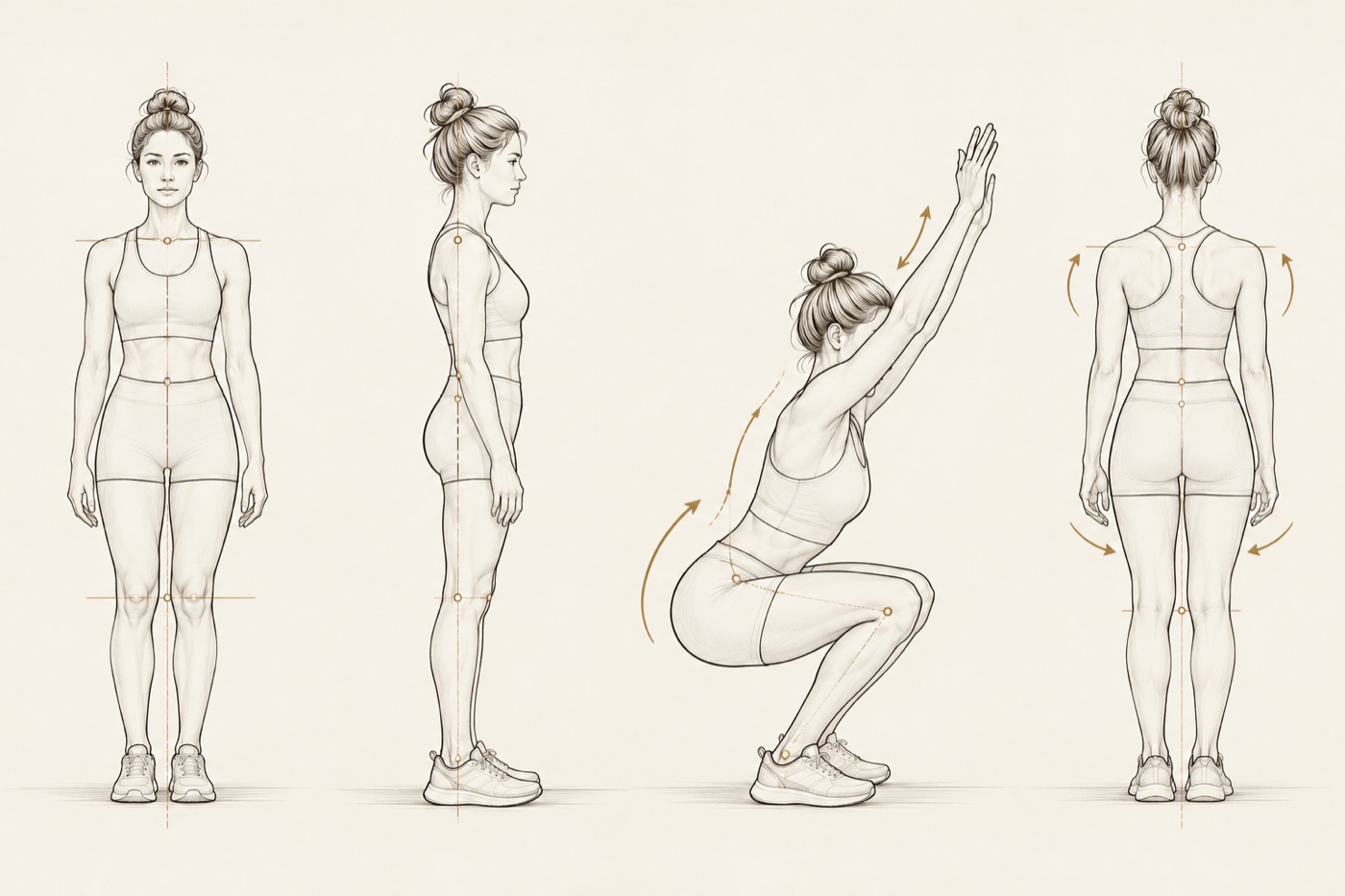
  4. Line drawing of a posture and movement assessment: front, side, overhead squat and back views with alignment guides
    Front, side, movement and back views: an example of what an assessment looks at. Every assessment is tailored to you.
  5. 04

    Build

    We build strength, capacity and resilience for life’s demands.

    What happens

    A short, specific programme of movement and exercises to do between visits.

    You leave with

    Exercises you understand, and a plan to build your capacity over time.

  6. 05

    Educate

    We give you the tools and knowledge to stay in control.

    What happens

    Plain-language guides and simple tools you can use between visits.

    You leave with

    Practical know-how to manage flare-ups and everyday stress between visits.

  7. 06

    Adapt

    We adjust the plan so you keep moving forward.

    What happens

    We review progress and change the plan as your life, work and body change.

    You leave with

    A plan that keeps pace with you, not one that is set once.

How I think

Health is more than the absence of pain.

The whole person, not just the symptom

Movement, capacity, recovery, lifestyle, environment and the individual in front of me all shape how you feel.

Capacity and recovery, not only relief

Easing pain is where it starts. The aim is a body that can handle what your life asks of it.

You, taking an active role

Chiropractic is one part of the picture. The broader aim is to help you understand your body and take an active role in your health.

Understand your body. Know what to do.
Prevention · Optimisation · Longevity

Who it is for

Common reasons people come

What to expect

Before you book

First visit

60 minutes · R800. A conversation and assessment come first.

Follow-up visits

30 minutes · R600.

Care chosen for you

Treatment is selected according to your individual presentation, not a fixed protocol.

Medical aid

Not claimed directly by the practice. An invoice is provided for your own submission.

Ready to start with a conversation?

Book a first visit, or ask us a question first. There is no pressure either way.

Ask Compass

The Approach

The Dr. Sarlie approach

Not just where it hurts, but how you move, recover and cope.

A personalised process that looks at the whole picture, and keeps adapting as you do.

A sunlit room with an arched window over the sea, an olive tree and a sculpted spine on a stone plinth

Six steps

How care works with Dr. Sarlie

Steps one to three happen mostly in the clinic. Steps four to six carry on between visits.

  1. 01

    Understand

    We listen first: your history, lifestyle, work, stress and goals.

    What happensA conversation before any examination. What matters to you shapes everything that follows.
    You leave withA shared picture of what is going on and what you want from care.
  2. 02

    Assess

    We look at how your body is moving, functioning and adapting.

    What happensMovement, posture, joint and nervous system assessment. Further tests only if they are needed.
    You leave withA plain-language explanation of what we found, and why it matters.
  3. 03

    Restore

    We treat what is needed to reduce pain and restore function.

    What happensHands-on care chosen for your presentation, not a fixed protocol.
    You leave withAn explanation of why we chose it, and what to expect as you recover.
  4. Line drawing of a posture and movement assessment: front, side, overhead squat and back views with alignment guides
    Front, side, movement and back views: an example of what an assessment looks at. Every assessment is tailored to you.
  5. 04

    Build

    We build strength, capacity and resilience for life’s demands.

    What happensA short, specific programme of movement and exercises to do between visits.
    You leave withExercises you understand, and a plan to build your capacity over time.
  6. 05

    Educate

    We give you the tools and knowledge to stay in control.

    What happensPlain-language guides and simple tools you can use between visits.
    You leave withPractical know-how to manage flare-ups and everyday stress between visits.
  7. 06

    Adapt

    We adjust the plan so you keep moving forward.

    What happensWe review progress and change the plan as your life, work and body change.
    You leave withA plan that keeps pace with you, not one that is set once.

How I think

Health is more than the absence of pain.

The whole person, not just the symptom

Movement, capacity, recovery, lifestyle, environment and the individual in front of me all shape how you feel.

Capacity and recovery, not only relief

Easing pain is where it starts. The aim is a body that can handle what your life asks of it.

You, taking an active role

Chiropractic is one part of the picture. The broader aim is to help you understand your body and take an active role in your health.

Understand your body. Know what to do.
Prevention · Optimisation · Longevity

Who it is for

Common reasons people come

What to expect

Before you book

First visit
60 minutes · R800. A conversation and assessment come first.
Follow-up visits
30 minutes · R600.
Care chosen for you
Treatment is selected according to your individual presentation, not a fixed protocol.
Medical aid
Not claimed directly by the practice. An invoice is provided for your own submission.

Ready to start with a conversation?

Book a first visit, or ask us a question first. There is no pressure either way.